Ketamine Therapy in Canada: A New Hope for Mental Health
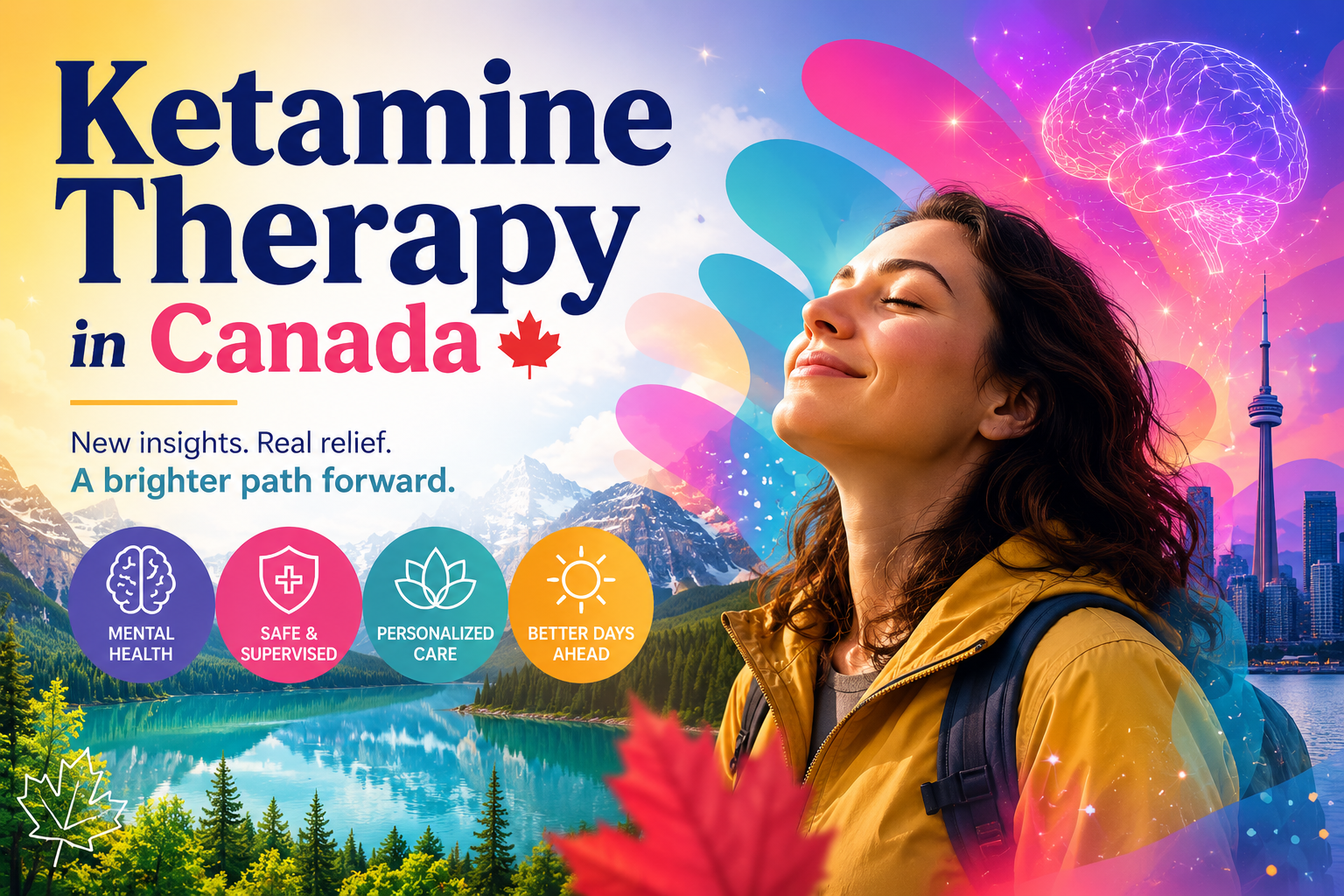
Ketamine, a substance that has long been used in medical settings as a powerful anesthetic, is now emerging as a revolutionary treatment for a variety of mental health conditions. For individuals who have struggled with traditional therapies and medications, ketamine therapy in Canada offers a new beacon of hope. This innovative approach is rapidly gaining recognition for its ability to produce rapid and significant improvements in mood and well-being. As the conversation around mental health continues to evolve, so too does our understanding of the therapeutic potential of substances like ketamine. This article will explore the landscape of ketamine therapy in Canada, from its medical applications and the treatment process to recreational safety and harm reduction.
What is Ketamine and How Does it Work?
Ketamine is classified as a dissociative anesthetic, meaning it can produce a sense of detachment from one’s body and surroundings. It has been a staple in hospitals and veterinary clinics for decades, valued for its strong safety profile and effectiveness in pain management. In Canada, ketamine is a Schedule I controlled substance, which means its production, possession, and sale are illegal without proper authorization. However, its legitimate medical use is well-established and regulated.
The therapeutic effects of ketamine are believed to stem from its unique mechanism of action. Unlike traditional antidepressants that primarily target serotonin or norepinephrine, ketamine works on the brain’s glutamate system. It is an N-methyl-D-aspartate (NMDA) receptor antagonist, which means it blocks these receptors and increases the levels of glutamate, a neurotransmitter that plays a crucial role in mood regulation, learning, and memory. This action is thought to trigger a cascade of effects that lead to the rapid formation of new neural connections, a process known as synaptogenesis. This neuroplasticity is what many researchers believe is responsible for the fast-acting antidepressant effects of ketamine.
It is crucial to distinguish between medical and recreational use of ketamine. Medically supervised ketamine therapy involves the administration of a precise, sub-anesthetic dose in a controlled clinical setting. Recreational use, on the other hand, is often associated with higher, unpredictable doses and carries significant risks, including addiction and long-term health problems.
The Rise of Ketamine Therapy in Canada
The acceptance of ketamine as a legitimate treatment for mental health conditions has been steadily growing in Canada and around the world. This shift is largely due to a growing body of research demonstrating its effectiveness, particularly for individuals with treatment-resistant depression (TRD). Organizations like the Ketamine Assisted Therapy Association of Canada (KATA) are playing a vital role in this movement by promoting education, research, and best practices for ketamine therapy in Canada.
Ketamine-assisted therapy (KAT) is a holistic approach that combines the administration of ketamine with psychotherapy. The dissociative experience induced by ketamine can help individuals gain new perspectives on their thoughts and emotions, making it a powerful catalyst for therapeutic breakthroughs. When guided by a trained therapist, patients can integrate these insights into their daily lives, leading to lasting positive change. The growing number of specialized ketamine clinics across the country is a testament to the increasing demand for this innovative treatment.
Medical Applications of Ketamine Therapy
The most well-established medical application of ketamine therapy is for the treatment of treatment-resistant depression (TRD). TRD is a form of major depressive disorder that does not respond to at least two different antidepressant medications. For individuals who have been living with the debilitating effects of TRD for years, ketamine therapy in Canada can be a life-changing intervention. Clinical studies have shown that a significant percentage of patients with TRD experience a rapid reduction in depressive symptoms after a course of ketamine infusions.
Beyond TRD, research is exploring the potential of ketamine to treat a range of other mental health conditions. These include:
- Post-Traumatic Stress Disorder (PTSD): Ketamine’s ability to promote synaptogenesis may help individuals with PTSD to process traumatic memories and reduce the emotional charge associated with them.
- Obsessive-Compulsive Disorder (OCD): Some studies suggest that ketamine may help to reduce the intrusive thoughts and compulsive behaviors that are characteristic of OCD.
- Anxiety Disorders: Ketamine is being investigated as a potential treatment for various anxiety disorders, including generalized anxiety disorder and social anxiety disorder.
- Bipolar Depression: Ketamine has shown promise in treating the depressive episodes associated with bipolar disorder, without triggering a manic episode.
It is important to note that while the research is promising, the use of ketamine for these conditions is still considered off-label in many cases. This means that while it is legal for doctors to prescribe it, it may not be covered by all insurance plans. As more research is conducted, the range of approved applications for ketamine therapy is likely to expand.
The Ketamine Treatment Process: What to Expect
For those considering ketamine therapy in Canada, understanding the treatment process is essential. The journey typically begins with a comprehensive medical assessment. A physician will review your mental and physical health history, as well as any medications you are currently taking, to determine if you are a suitable candidate for treatment.
If you are approved for treatment, you will begin a series of ketamine infusion sessions. These sessions take place in a comfortable, controlled clinical setting. The ketamine is administered intravenously at a sub-anesthetic dose, meaning you will remain conscious throughout the experience. During the infusion, which typically lasts about 40 minutes, you will be closely monitored by a medical team. Patients often report a sense of relaxation, altered sensory perception, and a feeling of dissociation from their body. These effects are temporary and subside shortly after the infusion is complete.
A standard course of treatment often involves six infusions over a period of three weeks. This is known as the induction phase. After the initial series of infusions, some patients may benefit from maintenance or booster infusions every two to eight weeks, depending on their individual response. Many clinics also strongly recommend integrating the ketamine sessions with psychotherapy. This combination, known as ketamine-assisted therapy (KAT), is believed to produce the most significant and long-lasting results. The insights and emotional processing that occur during the ketamine experience can be explored and integrated into a patient’s life with the guidance of a therapist.
Recreational Use and Harm Reduction
While medically supervised ketamine therapy in Canada has a strong safety profile, recreational use of ketamine carries significant risks. When used without medical supervision, the dosage is often much higher and less predictable, which can lead to a range of negative consequences. The short-term effects of recreational ketamine use can include confusion, hallucinations, and loss of coordination. In some cases, users may experience a “K-hole,” a state of intense dissociation that can be frightening and disorienting.
Long-term recreational use of ketamine can lead to more serious health problems, including bladder and urinary tract issues, memory impairment, and addiction. It is also important to be aware of the risks associated with the illegal drug market. Street ketamine may be cut with other, more dangerous substances, and sharing needles or other drug paraphernalia can increase the risk of infectious diseases like HIV and hepatitis.
For those who do choose to use ketamine recreationally, it is essential to practice harm reduction. This includes starting with a low dose, being in a safe and comfortable environment with people you trust, and avoiding mixing ketamine with other substances, especially alcohol and other depressants. In Canada, the Good Samaritan Drug Overdose Act provides legal protection for individuals who call for help during an overdose, so it is always best to seek medical attention if you or someone you are with is in distress.
Is Ketamine Therapy Right for You?
Deciding whether ketamine therapy in Canada is the right choice for you is a significant decision that should be made in consultation with a qualified medical professional. Generally, good candidates for ketamine therapy are individuals who have been diagnosed with a mental health condition, such as treatment-resistant depression, and have not found relief from traditional treatments. It is essential to have a thorough understanding of the potential risks and benefits, as well as the commitment required for the treatment process, which often includes multiple sessions and integration with psychotherapy.
Finding a reputable ketamine clinic is a crucial step in ensuring a safe and effective treatment experience. Look for clinics that have a team of experienced medical professionals, including physicians, nurses, and therapists. They should conduct a comprehensive assessment before starting treatment and provide a supportive and comfortable environment for your sessions. Organizations like KATA Canada can be a valuable resource for finding qualified providers in your area.
Frequently Asked Questions (FAQ)
Is ketamine therapy legal in Canada?
Yes, when administered for medical purposes by a licensed healthcare practitioner, ketamine therapy in Canada is legal. Ketamine is a controlled substance, but its medical use is permitted under specific regulations. It is important to ensure that you are receiving treatment from a reputable clinic that adheres to all legal and medical guidelines.
What does a ketamine infusion feel like?
The experience of a ketamine infusion can vary from person to person, but it is often described as a dissociative experience. This can include a feeling of being disconnected from your body, altered perceptions of time and space, and vivid dreams or imagery. Most people find the experience to be relaxing and introspective, and the effects typically wear off shortly after the infusion is complete.
How much does ketamine therapy cost in Canada?
The cost of ketamine therapy in Canada can vary significantly depending on the clinic, the location, and the specific treatment protocol. Unfortunately, it is not always covered by provincial health plans, so it is often an out-of-pocket expense. Some private insurance plans may cover a portion of the cost, so it is worth checking with your provider. It is important to discuss the costs with the clinic beforehand to have a clear understanding of the financial commitment involved.
Conclusion and Call to Action
Ketamine therapy represents a significant advancement in the field of mental health treatment. For those who have felt let down by traditional approaches, it offers a new avenue for healing and recovery. With its ability to produce rapid and profound changes in mood and perspective, ketamine therapy in Canada is giving many individuals a new lease on life. By understanding the science behind it, the treatment process, and the importance of a safe and supportive setting, you can make an informed decision about whether this innovative therapy is right for you.
Ready to explore your options and learn more about how to support your mental wellness journey? Browse our shop for a curated selection of products designed to complement your path to well-being. Visit our ketamine product category to get started.