
Microdosing MDMA: A Comprehensive Guide to Benefits, Risks & Protocols
In recent years, the conversation around psychedelics has shifted from recreational use to therapeutic potential. While substances like psilocybin and LSD have been at the forefront of this psychedelic renaissance, another compound is gaining attention: MDMA. Known for its euphoric and empathogenic effects in larger doses, some are now exploring the practice of microdosing MDMA. This guide will delve into the purported microdosing MDMA benefits, the significant risks, and the harm reduction protocols to consider.
What is Microdosing?
Microdosing involves taking a sub-perceptual dose of a psychedelic substance, typically 1/10th to 1/20th of a recreational dose. The goal is not to experience a full-blown psychedelic trip but to enhance creativity, focus, and emotional balance without significant alterations in consciousness. While microdosing classic psychedelics like LSD and psilocybin has become increasingly popular, microdosing MDMA is a more recent and less understood practice.
The Anecdotal Benefits of Microdosing MDMA
It’s crucial to emphasize that the evidence supporting the microdosing MDMA benefits is almost entirely anecdotal. Scientific research on this specific practice is scarce. However, users have reported a range of positive effects, including:
- Enhanced Mood and Well-being: Some individuals report a subtle lift in their mood, reduced anxiety, and a greater sense of overall well-being.
- Increased Empathy and Social Connection: MDMA is known for its empathogenic properties, and some users find that microdosing can enhance their ability to connect with others and feel more open in social situations.
- Improved Focus and Creativity: Similar to other microdosed substances, some users report heightened focus, increased creativity, and improved problem-solving abilities.
- Therapeutic Potential for PTSD: While full-dose MDMA-assisted psychotherapy is being studied for PTSD, some individuals are exploring microdosing as a way to manage symptoms. However, this is not a scientifically validated approach.
The Significant Risks and Concerns of Microdosing MDMA
While the potential microdosing MDMA benefits may sound appealing, it’s essential to be aware of the significant risks and concerns associated with this practice. Unlike classic psychedelics, MDMA has a different mechanism of action and a higher potential for neurotoxicity.
Neurotoxicity and Serotonin Depletion
MDMA works by increasing the release of serotonin, dopamine, and norepinephrine in the brain. While this is what produces the desirable effects, it can also be neurotoxic, particularly with frequent use. Chronic microdosing could potentially damage serotonin-producing neurons, leading to long-term mood disorders, memory problems, and cognitive decline. The brain needs time to replenish its serotonin levels, and frequent microdosing may not allow for adequate recovery.
Cardiovascular Strain
MDMA is a stimulant that increases heart rate and blood pressure. Even at microdoses, this can put a strain on the cardiovascular system. Individuals with pre-existing heart conditions should avoid MDMA altogether. There have also been rare cases of heavy MDMA use being linked to heart valve damage.
Tolerance and Dependence
Regular use of MDMA, even in small doses, can lead to tolerance, meaning you’ll need to take more to achieve the same effects. This can increase the risk of dependence and the potential for negative side effects. Psychological dependence is also a concern, where individuals may come to rely on MDMA to feel normal or manage their mood.
Contamination and Inconsistent Dosing
One of the biggest dangers of using street drugs is the lack of quality control. MDMA is often cut with other substances, such as methamphetamine, caffeine, or even fentanyl. Without laboratory testing, it’s impossible to know the purity and dosage of what you’re taking. This makes microdosing incredibly risky, as even a small amount of a contaminated substance could have devastating consequences.
Harm Reduction Protocols
Given the risks, a strong emphasis on harm reduction is essential for anyone considering microdosing MDMA. While the safest option is to avoid it altogether, if you do choose to experiment, here are some guidelines to minimize harm:
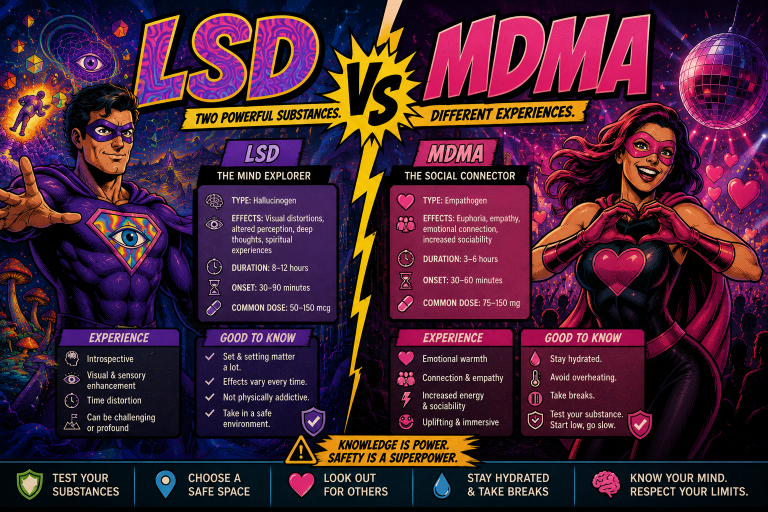
- Test Your Substance: Always test your MDMA using a reagent test kit to check for the presence of adulterants.
- Start Low and Go Slow: Begin with a very low dose and wait at least two hours to assess the effects before considering taking more.
- Be Mindful of Frequency: Avoid microdosing too frequently to allow your brain and body time to recover. Some recommend waiting at least a few weeks between doses.
- Stay Hydrated: MDMA can cause dehydration, so be sure to drink plenty of water.
- Avoid Mixing Substances: Do not mix MDMA with other drugs or alcohol, as this can increase the risk of adverse effects.
- Consider Your Mental and Physical Health: If you have a personal or family history of mental health conditions or cardiovascular problems, you should not use MDMA.
For those interested in exploring other options for harm reduction and wellness, consider browsing our selection of products, such as Ketamine, which is being studied for its own therapeutic benefits.
The Future of MDMA and Psychedelic Therapy
The conversation around the microdosing MDMA benefits is still in its infancy. While full-dose MDMA-assisted psychotherapy is showing promise in clinical trials for treating PTSD, more research is needed to understand the long-term effects of microdosing. As the legal landscape around psychedelics continues to evolve, we may see more research into the therapeutic potential of these substances. For now, it’s important to approach the topic with caution and a commitment to harm reduction.
Frequently Asked Questions (FAQ)
Is it safe to microdose MDMA?
The safety of microdosing MDMA has not been scientifically established. There are significant risks involved, including neurotoxicity, cardiovascular strain, and the potential for dependence. The safest approach is to avoid it.
What are the long-term effects of microdosing MDMA?
The long-term effects of microdosing MDMA are unknown. However, research on higher doses of MDMA suggests that chronic use can lead to damage to serotonin-producing neurons, which could result in long-term mood problems and cognitive decline.
Are there legal alternatives to MDMA for therapeutic use?
While MDMA remains a Schedule I substance in many places, other substances are being explored for their therapeutic potential. For example, LSD and DMT are also being studied. It’s important to research the legal status of these substances in your area.
Conclusion and Call to Action
The allure of the potential microdosing MDMA benefits is understandable, but it’s crucial to weigh them against the very real and significant risks. The lack of scientific research, coupled with the dangers of street drugs, makes microdosing MDMA a precarious practice. As we continue to learn more about the therapeutic potential of psychedelics, it’s essential to prioritize safety and harm reduction.
If you’re interested in learning more about harm reduction and exploring legal and safe alternatives, we invite you to browse our shop. We offer a range of products, including Edibles, that can be a part of a balanced and mindful lifestyle.