 Cotton Candy Crunch Treat 500mg THC
  Xanax (2mg) - 1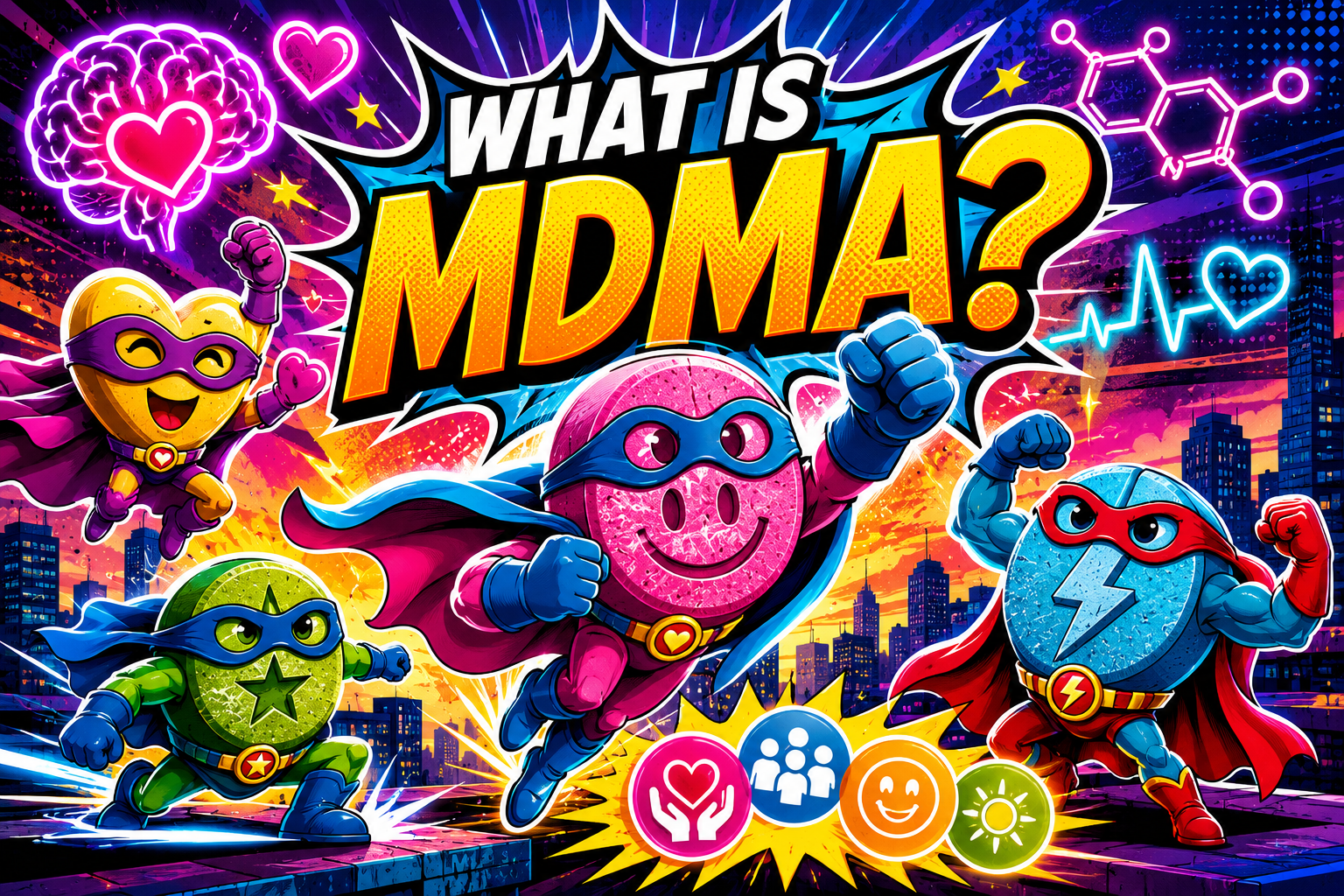
What Is MDMA? A Complete Guide to Molly, Ecstasy & MDMA Crystals
Welcome to our comprehensive guide on one of the most talked-about substances in both recreational and therapeutic circles: MDMA. Whether you know it as Molly, Ecstasy, or in its crystalline form, understanding what is MDMA is the first step towards making informed and safe decisions. In a world where misinformation can be rampant, our goal is to provide a clear, authoritative, and accessible resource for anyone curious about this unique compound. This guide will walk you through its fascinating history, the intricate science of how it works, the full spectrum of its effects, the potential risks involved, and, most importantly, the crucial harm reduction strategies that can empower you to prioritize safety.
The Basics: What is MDMA?
3,4-methylenedioxymethamphetamine, or MDMA, is a synthetic compound that occupies a unique space in the world of psychoactive substances. It is classified as an “entactogen,” a term meaning “to touch within,” which perfectly encapsulates its signature effect of fostering feelings of emotional openness, empathy, and connection. It also possesses stimulant properties, which contribute to its energizing effects. This dual nature is what makes the MDMA experience so distinct from other substances.
A Brief History of MDMA
The story of MDMA begins in 1912 when it was first synthesized by the German pharmaceutical company Merck. Initially, it was not intended for human consumption but was developed as a precursor in the synthesis of a hemostatic agent. For decades, the compound sat on a shelf, its psychoactive properties unknown and unexplored. It wasn’t until the 1970s that the American chemist and pharmacologist Alexander Shulgin, often called the “godfather of psychedelics,” resynthesized it and began to meticulously document its effects. Shulgin, a pioneer in the field of psychopharmacology, saw the immense potential of MDMA as a tool for psychotherapy. He introduced it to a small circle of therapists who began to use it in their practice, finding it to be a powerful catalyst for emotional breakthroughs and healing in their patients.
By the 1980s, MDMA had escaped the confines of the therapist’s office and found its way into the burgeoning rave and electronic music scene, where it became known as Ecstasy. Its ability to enhance feelings of connection, empathy, and euphoria made it a popular choice for dance parties and festivals. This widespread recreational use, however, attracted the attention of law enforcement and government agencies. In 1985, the Drug Enforcement Administration (DEA) placed MDMA on Schedule I of the Controlled Substances Act, the most restrictive category, reserved for drugs with a high potential for abuse and no accepted medical use. This decision, which remains controversial to this day, drove the use of MDMA underground and gave rise to the illicit market we see today.
Molly vs. Ecstasy: Is There a Difference?
While the terms “Molly” and “Ecstasy” are often used interchangeably, there’s a common distinction made between them. “Molly,” short for “molecule,” is often marketed as the pure, crystalline powder form of MDMA. “Ecstasy,” on the other hand, typically refers to MDMA pressed into pill form. The critical difference lies in the potential for adulteration. Ecstasy pills have a much higher likelihood of being mixed with other substances, which can range from relatively harmless fillers like caffeine to dangerous drugs like amphetamines, synthetic cathinones (bath salts), or even fentanyl. The illicit nature of the market means that there is no quality control, and the contents of a pill can be a complete mystery.
It’s crucial to understand that without proper testing, it’s impossible to know the true purity or composition of any substance. This is why understanding what is MDMA and its various forms is so important for harm reduction. The only way to be sure of what you are taking is to test it with a reagent kit. These kits are legal to purchase and use, and they can provide a crucial layer of safety by helping you identify the presence of MDMA and rule out some of the most dangerous adulterants.
How Does MDMA Work?
MDMA’s profound effects are the result of its intricate interaction with the brain’s neurochemistry. It primarily works by increasing the activity of three key neurotransmitters:
- Serotonin: This is the main neurotransmitter affected by MDMA. Serotonin is a crucial regulator of mood, sleep, appetite, and social behavior. MDMA causes a massive release of serotonin from the neurons, flooding the brain with this “feel-good” chemical. This surge is responsible for the signature feelings of euphoria, emotional warmth, empathy, and connection that characterize the MDMA experience. It’s this serotonergic action that truly defines the unique quality of the MDMA experience.
- Dopamine: MDMA also boosts dopamine levels, though to a lesser extent than serotonin. Dopamine is the neurotransmitter of pleasure, reward, and motivation. This contributes to the stimulant effects of MDMA, such as increased energy, focus, and a sense of well-being. The dopaminergic activity of MDMA is what gives it its reinforcing properties, which can contribute to the potential for psychological dependence.
- Norepinephrine: This neurotransmitter is a key component of the body’s “fight or flight” response. Increased norepinephrine levels lead to a higher heart rate, blood pressure, and energy levels, which also contribute to the stimulant effects of the drug. This is why MDMA can be dangerous for individuals with pre-existing cardiovascular conditions.
The combined action of these three neurotransmitters creates the unique psychoactive profile of MDMA, setting it apart from both classic stimulants like amphetamine and classic psychedelics like LSD.
The Experience: Effects of MDMA
The effects of MDMA can be profound and are often what draw people to it. The experience is highly dependent on the individual, the dose, the setting, and their mindset. Here’s a breakdown of what one might expect:
Psychological Effects
- Emotional Euphoria: A powerful sense of well-being and happiness that can be both gentle and intense.
- Increased Empathy and Sociability: A strong desire to connect with others on a deep, emotional level. Conversations can feel more meaningful and authentic.
- Reduced Anxiety and Fear: A diminished sense of fear and defensiveness, which is why it has such therapeutic potential. This can allow individuals to explore difficult emotions and memories with a sense of safety and acceptance.
- Heightened Introspection: An increased ability to reflect on personal issues and memories with clarity and acceptance. This can lead to profound insights and a new perspective on one’s life.
Physical Effects
- Increased Energy and Alertness: A feeling of being physically energized and awake, which is why it is so popular in dance culture.
- Heightened Sensory Perception: Music may sound richer and more detailed, colors may appear more vibrant, and physical touch can be enhanced and feel more pleasurable.
- Jaw Clenching (Bruxism): An involuntary clenching of the jaw is a very common side effect. Many users chew gum or use a pacifier to mitigate this.
- Other Physical Effects: Nausea, chills, sweating, blurred vision, and an increase in heart rate and blood pressure are also common. These effects are generally mild at lower doses but can become more pronounced at higher doses.
The “Afterglow” and the “Comedown”
The experience of MDMA doesn’t end when the primary effects wear off. Many users report an “afterglow” in the days following the experience, characterized by a positive mood, a sense of calm, and a renewed perspective on life. This can be a time of integration, where the insights gained during the experience can be incorporated into one’s daily life.
However, the “comedown” is also a very real possibility. As the brain works to replenish its depleted serotonin levels, some people may experience feelings of depression, anxiety, irritability, and fatigue. The severity of the comedown can be influenced by the dose taken, the frequency of use, and individual neurochemistry. Proper self-care, including good nutrition, hydration, and rest, can help to mitigate the negative effects of the comedown.
Potential Risks and Harm Reduction
While many people have positive and transformative experiences with MDMA, it is not a risk-free substance. Acknowledging and understanding these risks is the cornerstone of responsible use and harm reduction. The most significant risks include:
- Dehydration and Overheating (Hyperthermia): MDMA can interfere with the body’s ability to regulate its temperature. This is particularly dangerous in hot environments where there is a lot of physical activity, such as at a music festival. Hyperthermia can be life-threatening, and it is crucial to stay hydrated and take breaks to cool down.
- Adulterants and Contaminants: As we’ve discussed, what is sold as MDMA can often contain other, more dangerous substances. Testing your substances with a reagent kit is a critical and non-negotiable harm reduction practice. The peace of mind that comes from knowing what you are taking is invaluable.
- Neurotoxicity: Research suggests that heavy, long-term use of MDMA may lead to damage to the serotonin-producing neurons in the brain. While the exact long-term effects are still being studied, moderation is key to minimizing this risk. The general consensus is that spacing out experiences by at least 1-3 months is a good practice.
- Psychological Risks: For some individuals, the intense emotional experiences brought on by MDMA can be overwhelming or psychologically destabilizing. It is important to be in a safe and comfortable environment with people you trust. If you have a history of mental health issues, it is especially important to approach MDMA with caution and to consult with a healthcare professional.
Harm Reduction Strategies
- Test Your Substance: This cannot be stressed enough. Always use a reagent test kit to check if your substance is actually MDMA and to screen for common adulterants.
- Start Low, Go Slow: Begin with a small dose (around 80mg) to gauge its potency and your individual reaction. You can always take more later, but you can never take less.
- Stay Hydrated, But Don’t Overdo It: Sip water or electrolyte-rich drinks regularly, but avoid drinking excessive amounts of water, which can lead to a dangerous condition called hyponatremia (water intoxication).
- Take Breaks and Cool Down: If you’re in a hot environment, take regular breaks from dancing to rest and cool off.
- Know Your Source: If possible, get your substances from a trusted and reliable source.
- Space Out Your Experiences: To minimize the risk of neurotoxicity and to preserve the “magic” of the experience, it is recommended to wait at least 1-3 months between MDMA sessions.
For those interested in exploring other psychedelics, we offer a range of products, including high-quality Ketamine and DMT.
The Therapeutic Potential of MDMA
Beyond its recreational use, MDMA has shown incredible promise in a therapeutic context. The Multidisciplinary Association for Psychedelic Studies (MAPS) has been at the forefront of this research, conducting clinical trials on MDMA-assisted therapy for post-traumatic stress disorder (PTSD). The results have been so promising that MDMA is on the verge of being approved by the FDA as a legal treatment for PTSD.
In a controlled, therapeutic setting, MDMA can help individuals process trauma and difficult emotions with a significant reduction in fear and defensiveness. This allows them to revisit and reprocess traumatic memories in a way that can lead to profound healing and resolution. The therapeutic potential of MDMA is a testament to the power of understanding what is MDMA beyond its party-drug reputation.
FAQ Section
Is MDMA addictive?
While MDMA is not considered to be as physically addictive as substances like opioids or alcohol, psychological dependence can occur. Some users may find themselves chasing the euphoric feelings, which can lead to more frequent and compulsive use. It is important to be mindful of your relationship with the substance and to use it in a deliberate and intentional way.
How long do the effects of MDMA last?
The primary effects of MDMA typically last for 3 to 6 hours, with a gradual comedown. After-effects, both positive and negative, can be felt for several days following the experience.
What is a safe dose of MDMA?
There is no truly “safe” dose of an unregulated substance. However, a common recreational dose is between 80-125mg. It is always best to start with a lower dose to assess its strength and your individual sensitivity.
Can I mix MDMA with other substances?
Mixing MDMA with other substances can be dangerous and is generally not recommended. Mixing it with alcohol can increase dehydration, while mixing it with other stimulants can put excessive strain on the cardiovascular system. It is always safest to use MDMA on its own.
Explore Our Shop
We hope this guide has provided you with a clear, balanced, and comprehensive understanding of what is MDMA. Our mission is to provide education and high-quality products to those who choose to explore the world of psychedelics in a safe and responsible manner. We encourage you to browse our shop and discover our curated selection of products, including LSD, and a variety of Edibles.